Real Pashmina and What Gets Sold as Pashmina
The fibre is 14 microns and comes off a goat at 4,500 metres. Most of what is sold under the name is viscose. Six checks you can do with your hands before you pay.
By Yugo Bazar · · 2 min read
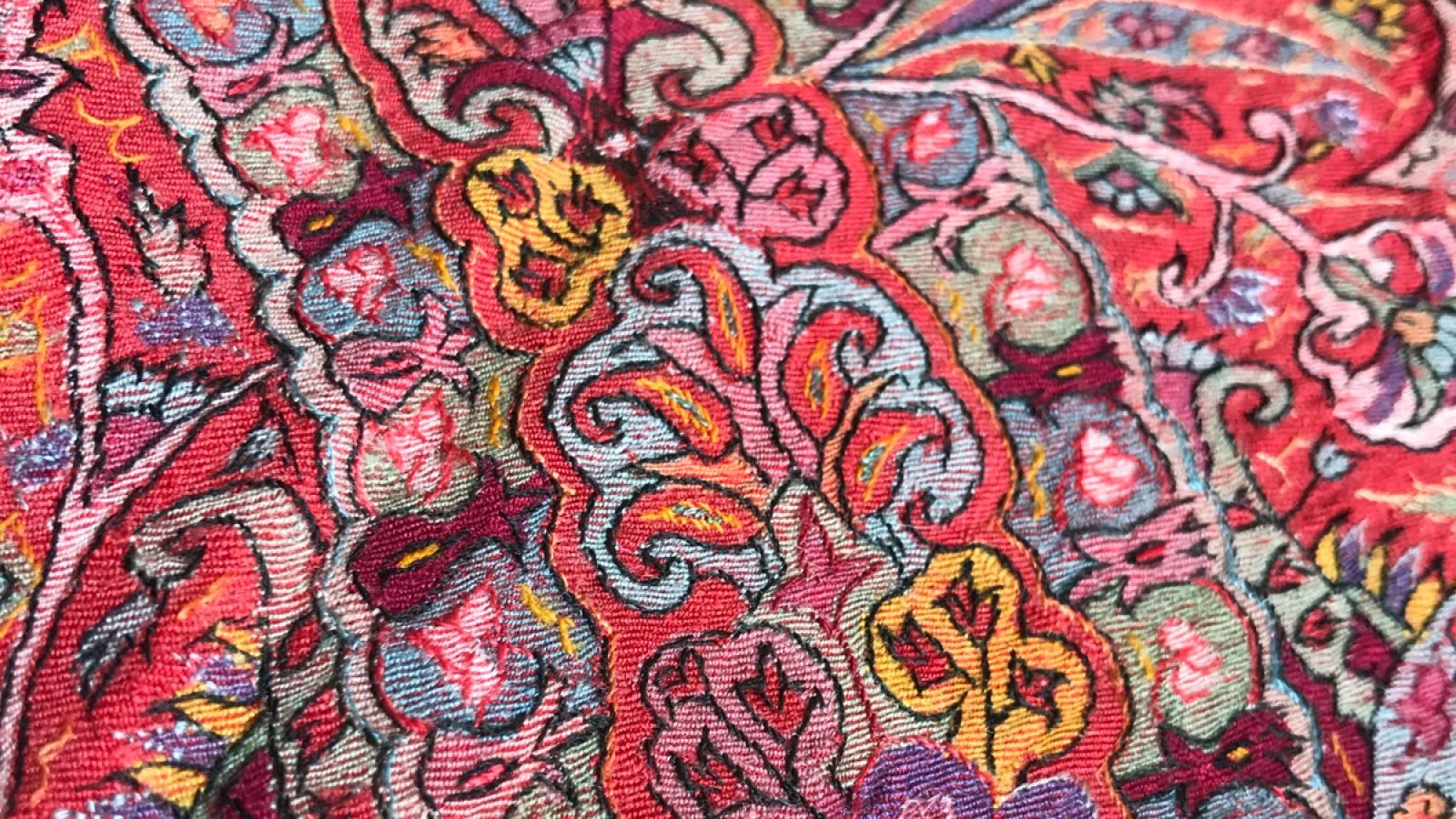
Photo: Jainamishra · CC BY-SA 4.0 · Wikimedia Commons
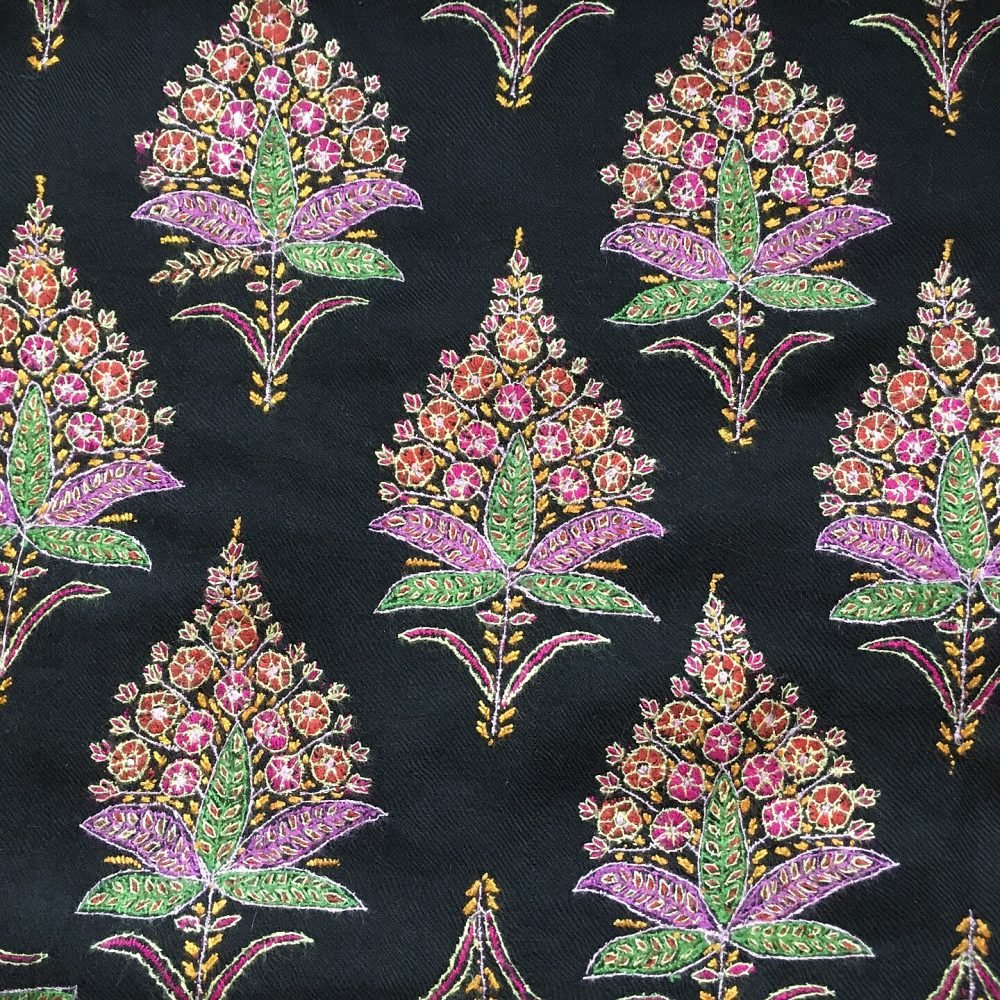
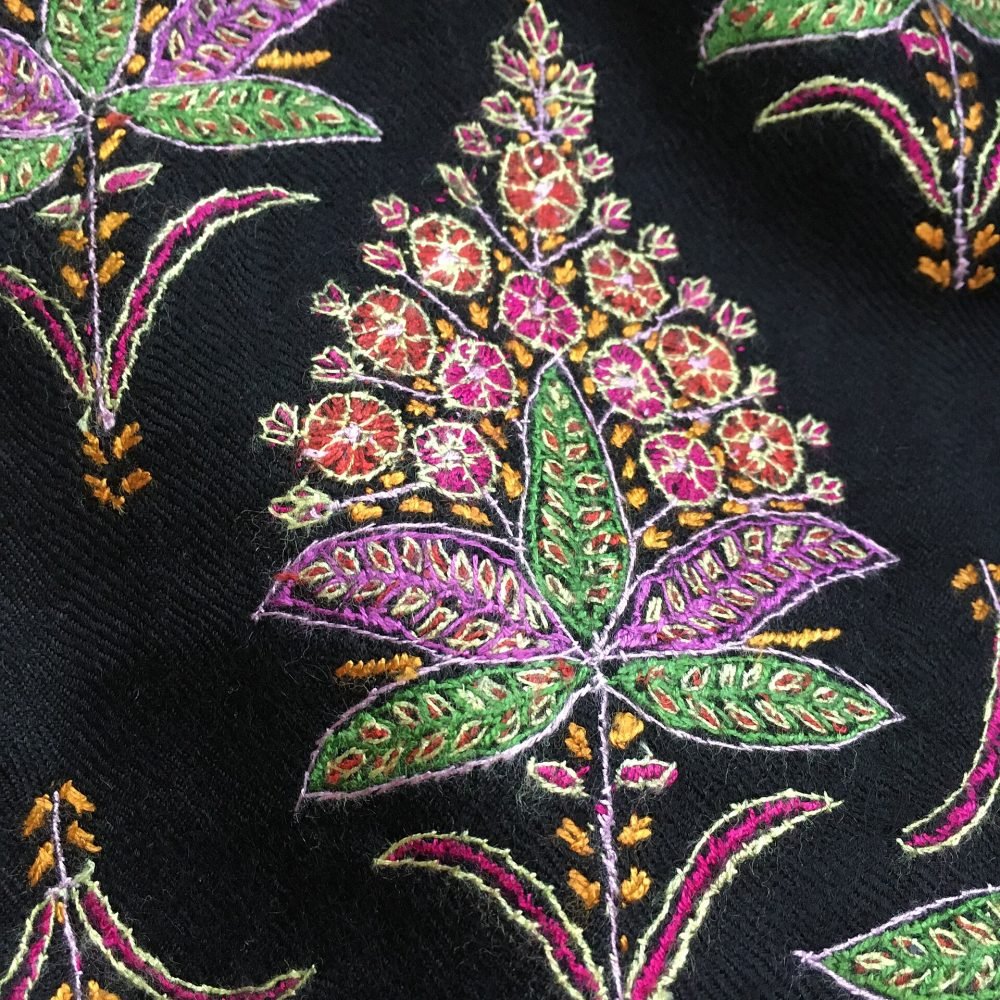
Pashmina is not a style of shawl. It is a specific fibre: the winter undercoat of the Changthangi goat, which lives on the Tibetan plateau and in Ladakh at altitudes where the temperature goes to minus forty. The goat grows the undercoat to survive that, sheds it in spring, and it is combed out by hand.
The fibre comes off at roughly 12 to 15 microns. Merino wool is 18 to 24. Human hair is around 70. That fineness is the entire reason pashmina behaves as it does, and it is also why there is so little of it: one goat yields perhaps 80 to 170 grams of usable down a year, and a full shawl needs the combings of three or four animals.
What gets sold instead
Overwhelmingly, viscose. It is a wood-pulp rayon, it drapes softly, it takes dye brilliantly, and it costs almost nothing. It is also cold, it shines, and it pills into felt within a season. Sold in tourist districts as "pashmina" for the price of a lunch, it is what most visitors to Nepal actually go home with.
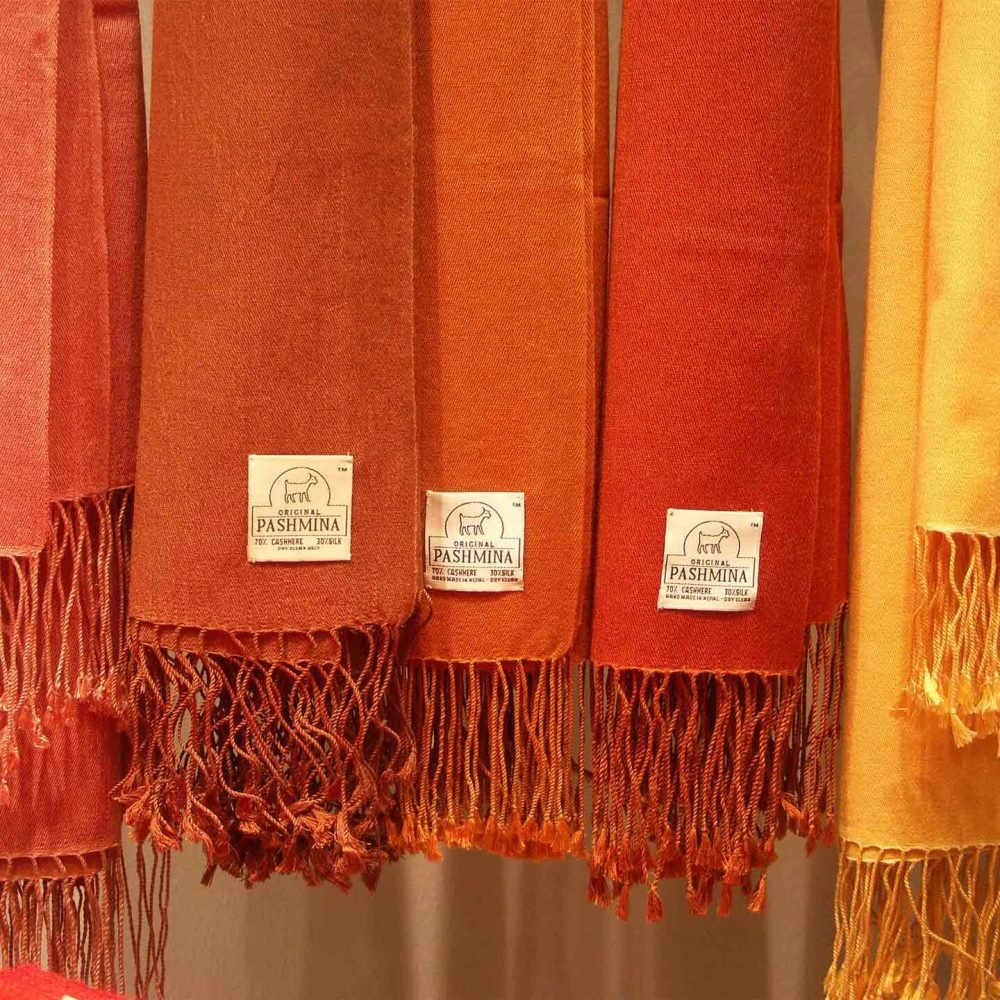
The next tier is a genuine blend — commonly 70% pashmina and 30% mulberry silk — which is an honest and often excellent product. Silk adds drape, strength and a faint sheen. There is nothing wrong with a blend as long as it is described as one.
Six checks, no equipment
- Shine. Real pashmina is matte. If it glitters under shop lighting, it has silk in it or it is viscose.
- Warmth on the back of your hand. Pashmina warms noticeably within seconds. Viscose stays cool and slightly clammy.
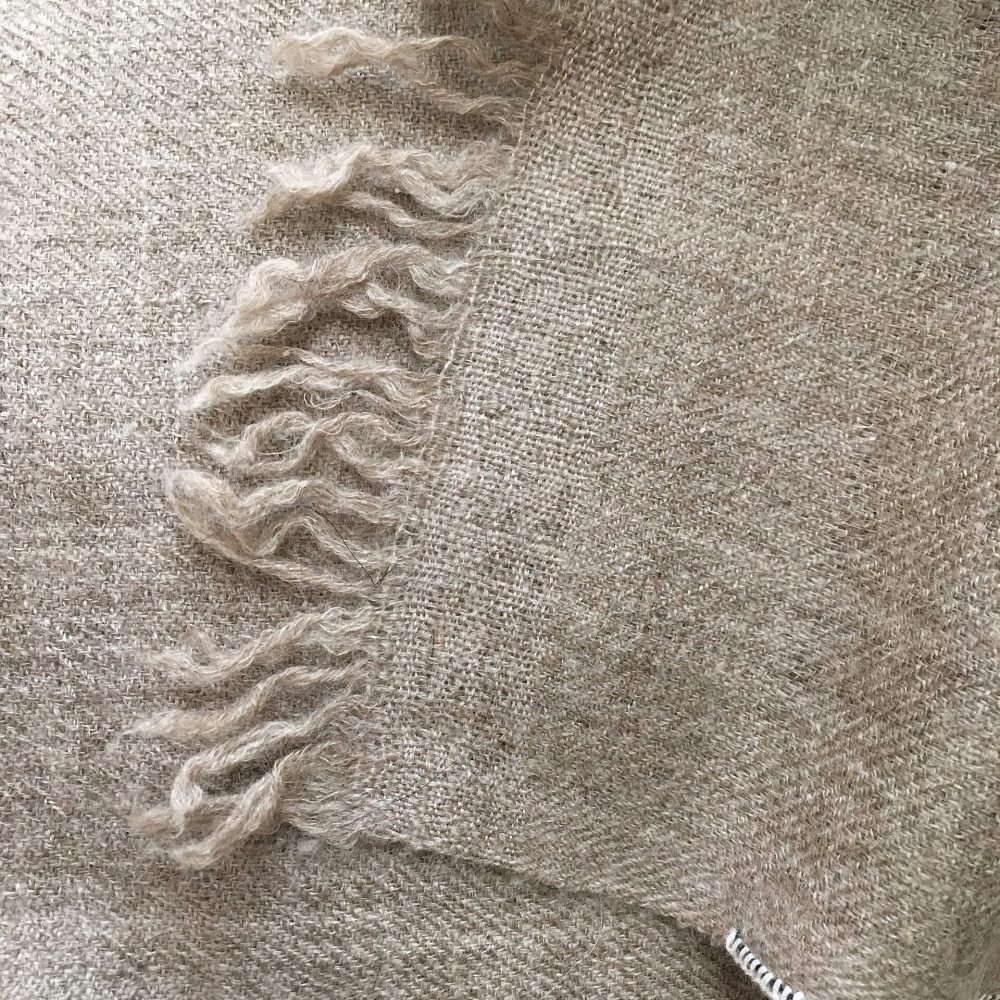
- The weave line. Handwoven cloth has small irregularities in the weft — slight thick-and-thin variation across the width. Powerloom viscose is machine-perfect.
- The ring test, with a caveat. A fine pashmina shawl will pull through a wedding ring. So will a good viscose, so this only tells you the cloth is fine, not what it is made of. Treat it as necessary, not sufficient.
- The burn test, if they will let you. A few fibres from the fringe: protein fibres smell of burning hair and leave a crushable black bead. Cellulose fibres smell of burning paper and leave soft grey ash. This one is decisive.
- The price. A pure pashmina shawl cannot be made and sold for twenty dollars. The raw fibre alone costs more than that. If the price is impossible, the fibre is not pashmina.
Living with it
Pashmina gets softer with washing, not worse — the fibres relax and bloom. Hand wash cold with a wool detergent or a drop of hair conditioner, do not wring, press the water out between towels and dry flat away from sun. It will pill a little at friction points in the first months and then largely stop.
Store it folded rather than hung, with cedar rather than mothballs. Moths are a genuine risk with any protein fibre and they go for the finest thing in your wardrobe first.