
 One only
Kathmandu Valley · Est. 2019
Made by hand.
Made by hand.
Sold Globally.
Singing bowls beaten from seven metals. Thangka painted with a three-hair brush. Pashmina combed in the high valleys. We buy directly from the workshops that make them, pay the asking price, and send them to you with the maker's name attached.
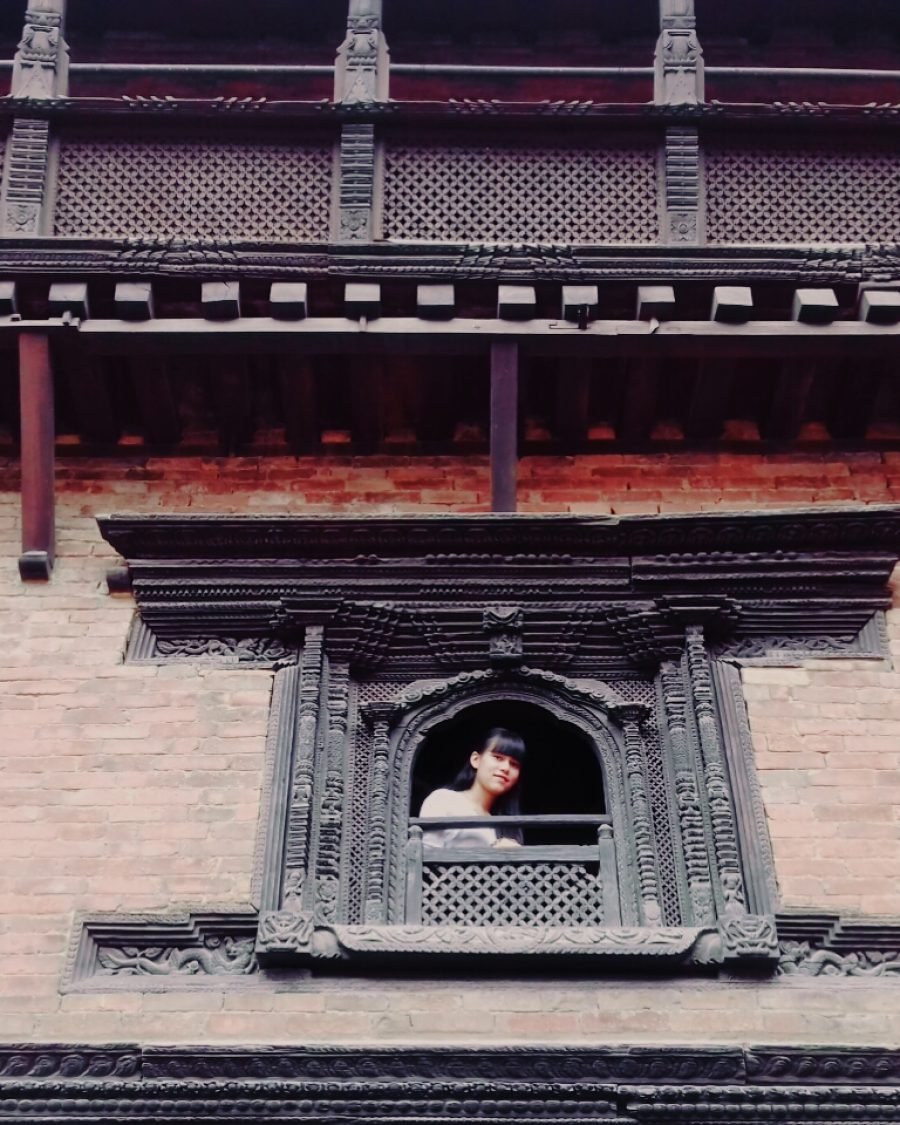
Photo: Tzna · CC BY-SA 4.0 · Wikimedia Commons
One of a kind
Most pieces exist exactly once. When it is gone, it is gone.
Free shipping, everywhere
Dispatched from Kathmandu in 1–2 days. Tracked to your door at no extra cost.
Named artisans, fair price
We pay what the maker asks, in full, before the piece leaves the workshop.
30-day returns
If it does not feel right in your home, send it back. We cover the label.
Browse by craft
See all crafts →
Eight traditions, one valley
Each of these is a distinct discipline with its own tools, lineage and neighbourhood in Kathmandu Valley.
Chosen this month
All featured →
Pieces we are proud of
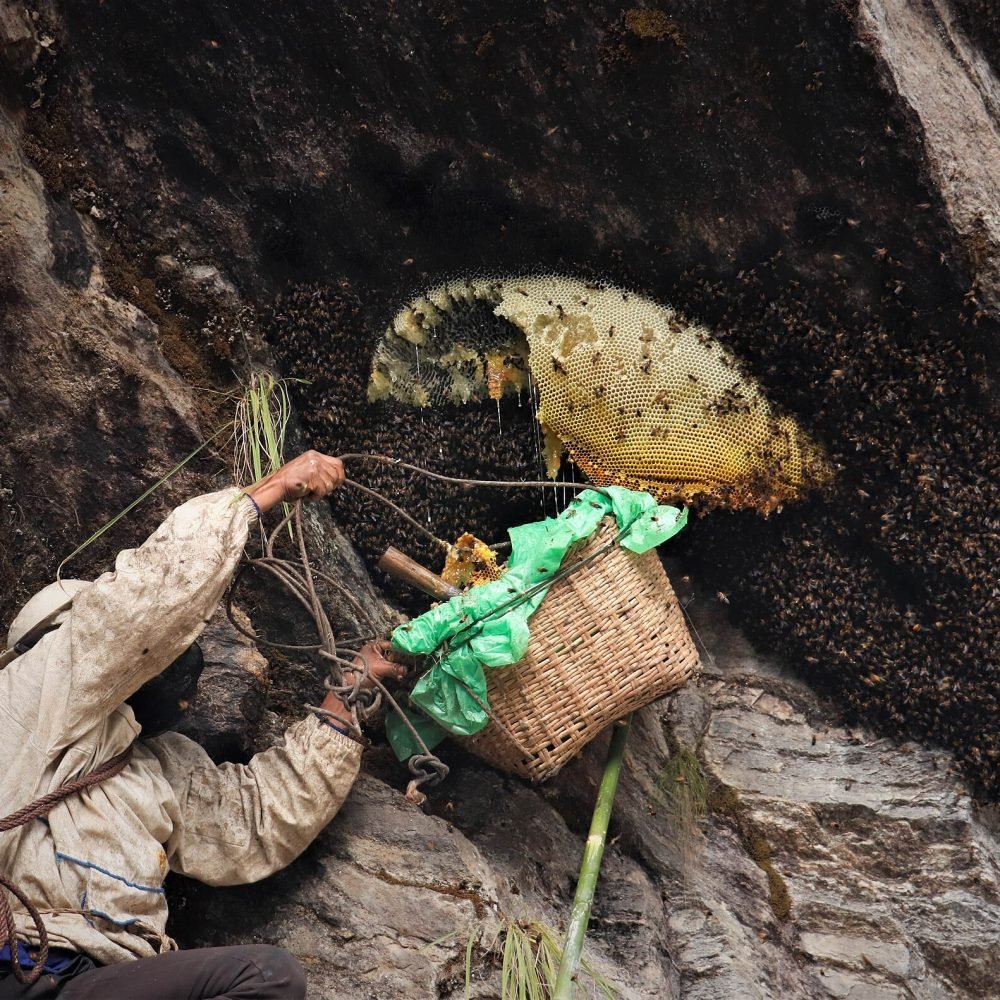
What makes a piece ours
Three things we will not compromise on
01
Bought at the workshop door
No agents, no export houses, no factory reproductions. We walk into the workshop, choose the piece, and pay the maker directly — which is why our catalogue is small and never quite the same twice.
02
The maker is named
Every listing carries the artisan or workshop behind it, the neighbourhood it came from, and the technique used. If we cannot tell you who made it, we do not sell it.
03
Traditional technique, honestly described
Hand-beaten means hand-beaten. Lost-wax means lost-wax. Where a piece is partly machine-finished we say so on the page, along with the marks and variations that come with handwork.
Just arrived
Everything new →
New in the workshop
 Sale
Sale
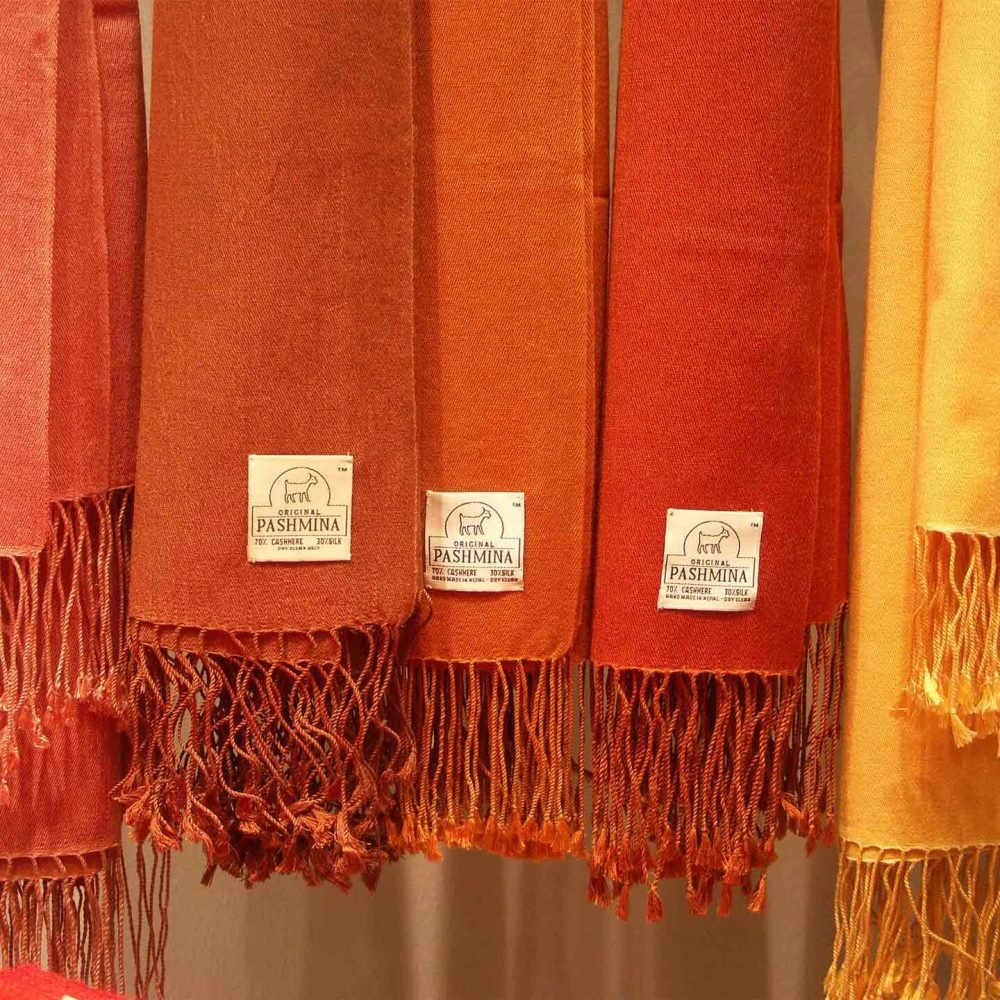
Pashmina & Cashmere
Pashmina Scarf, Indigo Dip-Dyed
100% pashmina · 45 × 180 cm
$165.00
$195.00 Low stock — 2 left
Who we are
A small shop with a short supply chain
Yug is an age, bazar is a marketplace. These crafts were worked out centuries ago and have barely changed; the market around them has changed completely. We started in a Patan courtyard where a family had been raising copper by hand for four generations and had no way to reach anyone outside the valley.
We are still small on purpose. A big catalogue would mean buying from consolidators, and the moment you do that you stop knowing who made what. So we keep it to a few crafts we understand, a few dozen pieces at a time, and the makers we can visit on foot.
More to explore
Every craft we carry
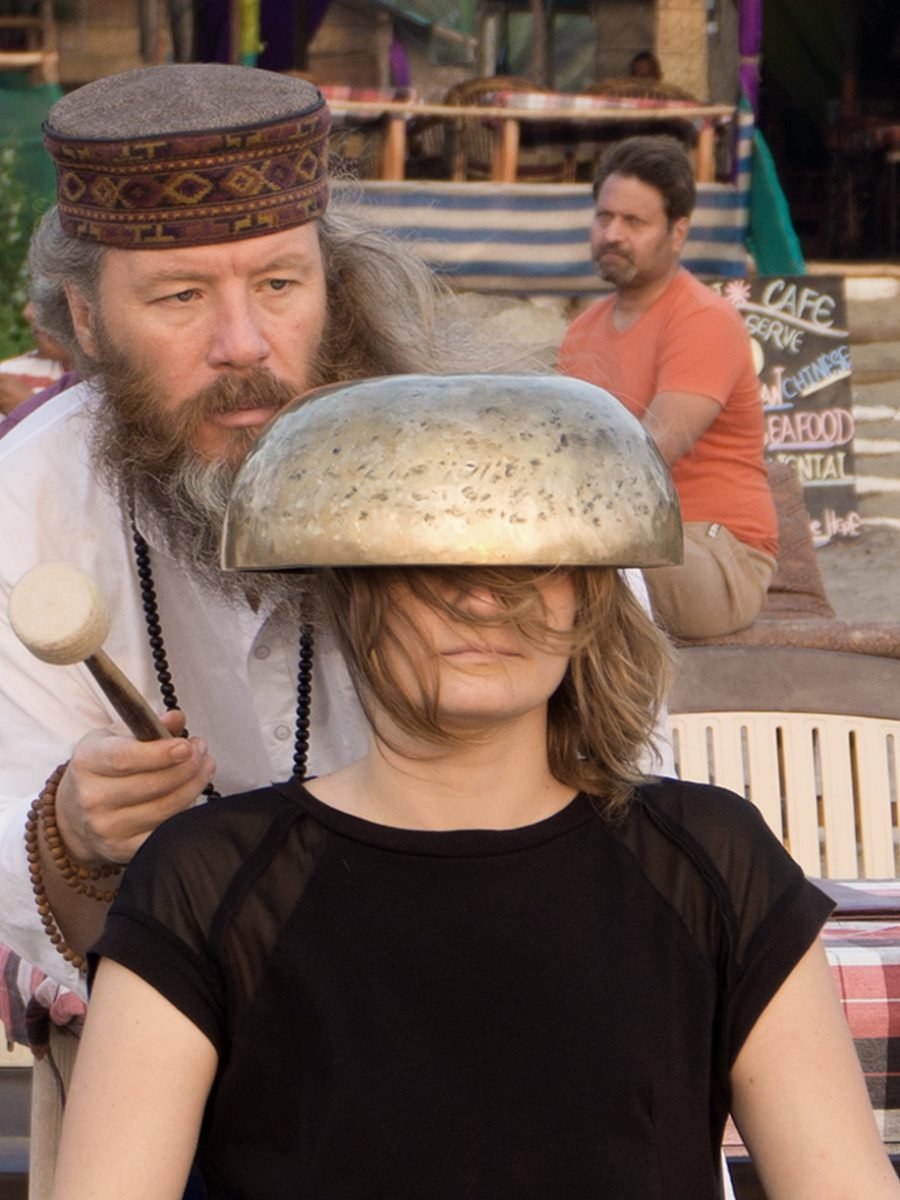 Singing Bowls
5 pieces · Hand-beaten in Patan
Singing Bowls
5 pieces · Hand-beaten in Patan
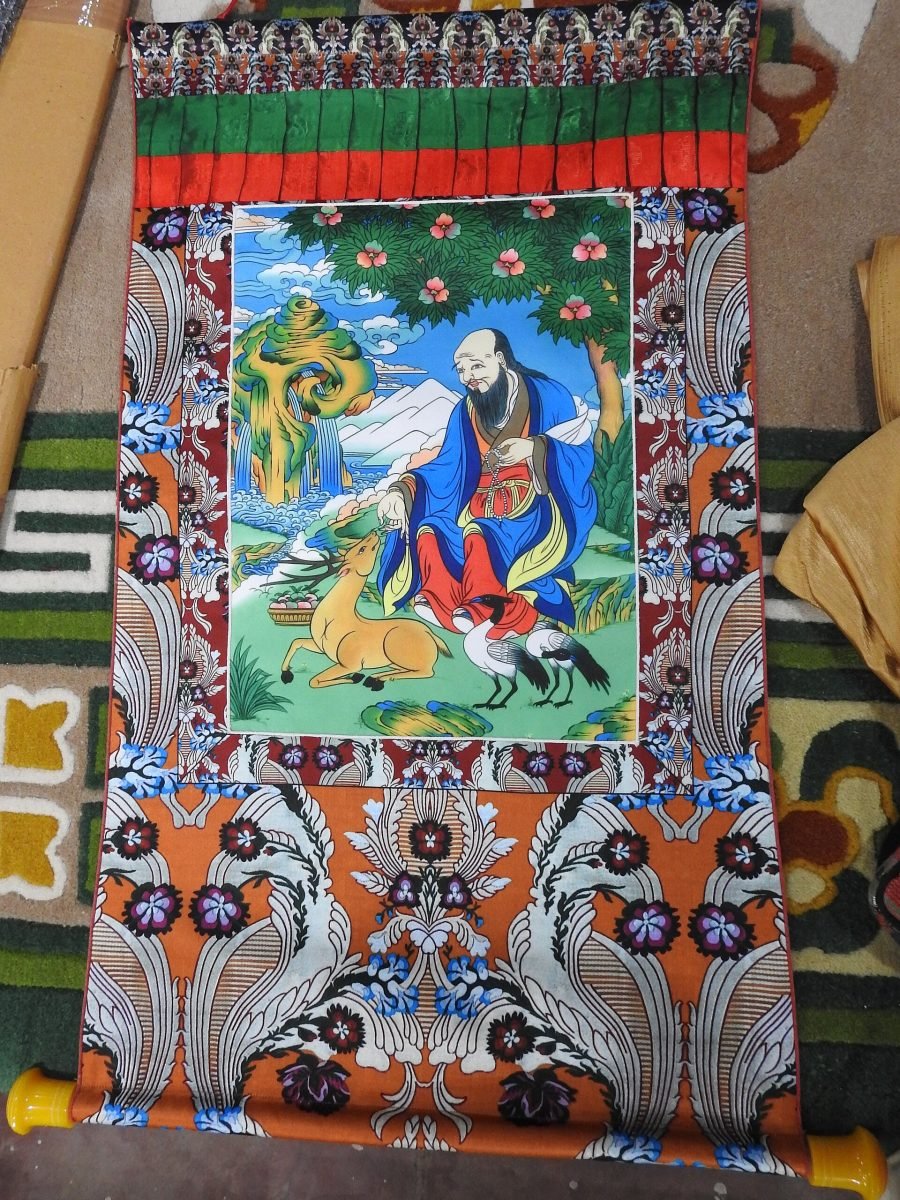 Thangka Paintings
3 pieces · Painted in Boudha
Thangka Paintings
3 pieces · Painted in Boudha
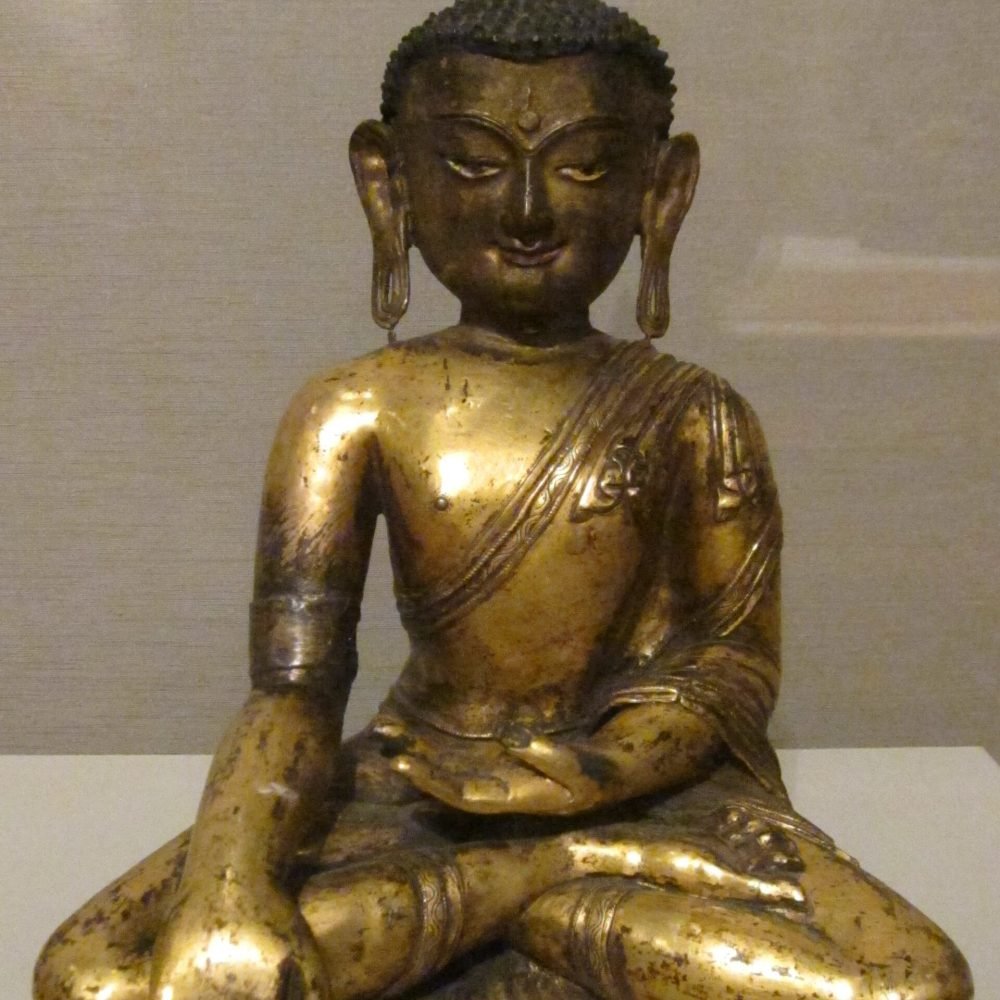
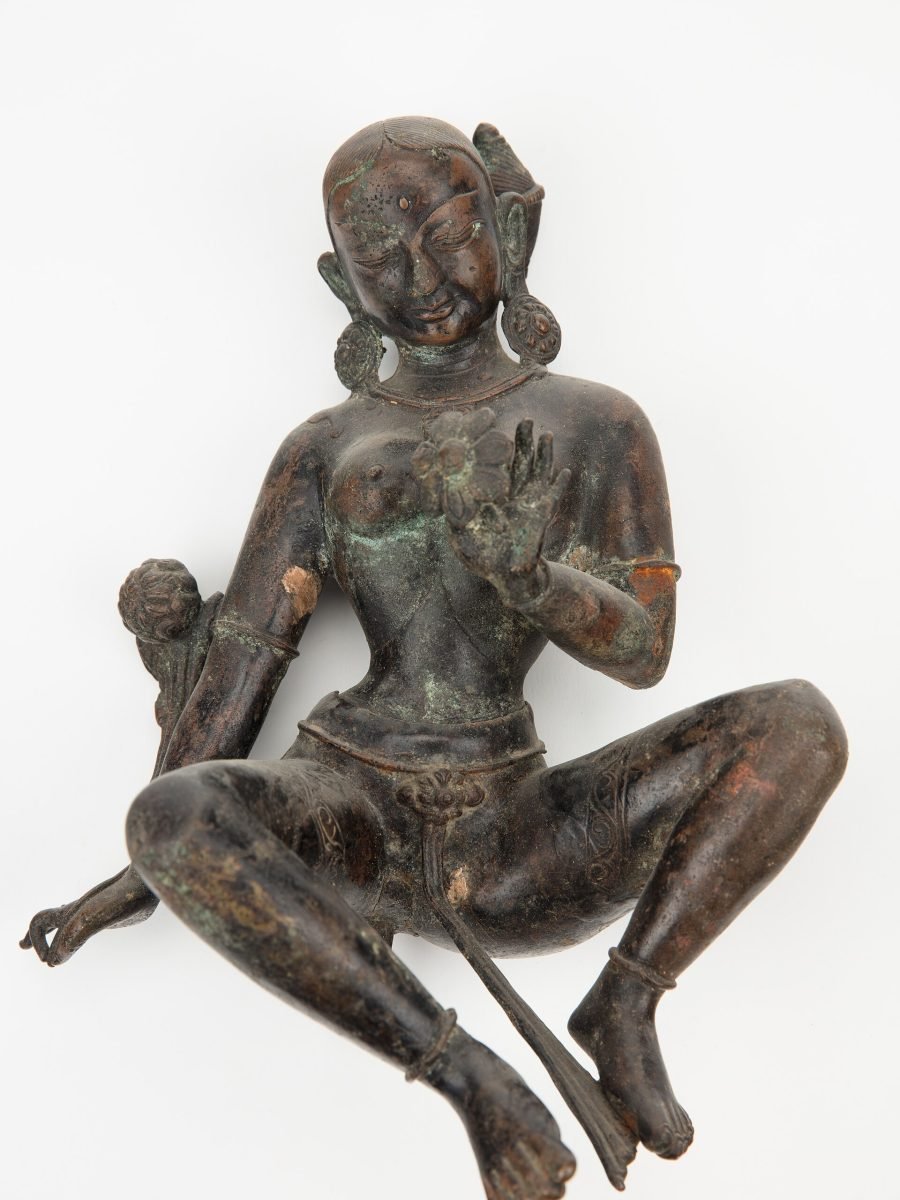 Statues & Metalwork
5 pieces · Lost-wax cast, Patan
Statues & Metalwork
5 pieces · Lost-wax cast, Patan
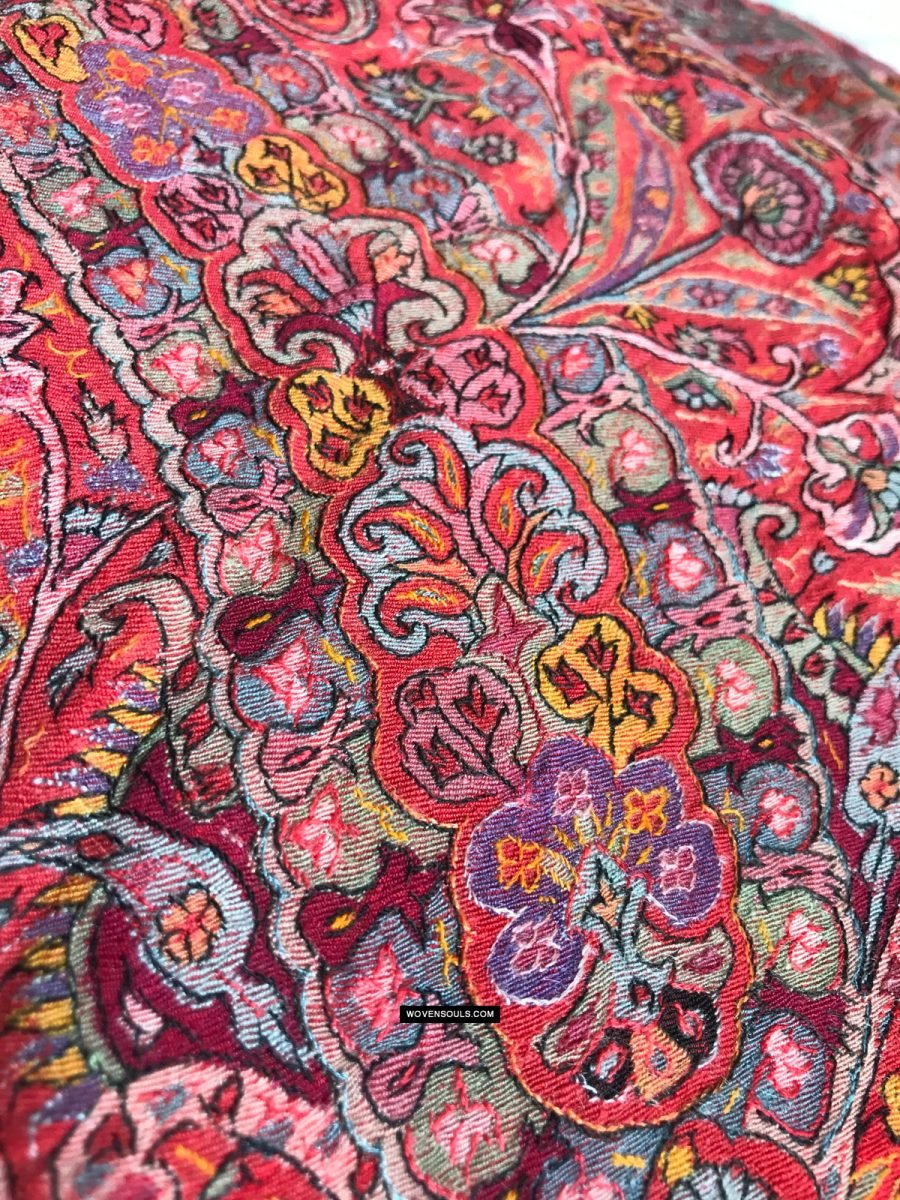 Pashmina & Cashmere
4 pieces · Handwoven in Kathmandu
Pashmina & Cashmere
4 pieces · Handwoven in Kathmandu
 Dhaka Textiles
3 pieces · Handloom, Palpa
Dhaka Textiles
3 pieces · Handloom, Palpa
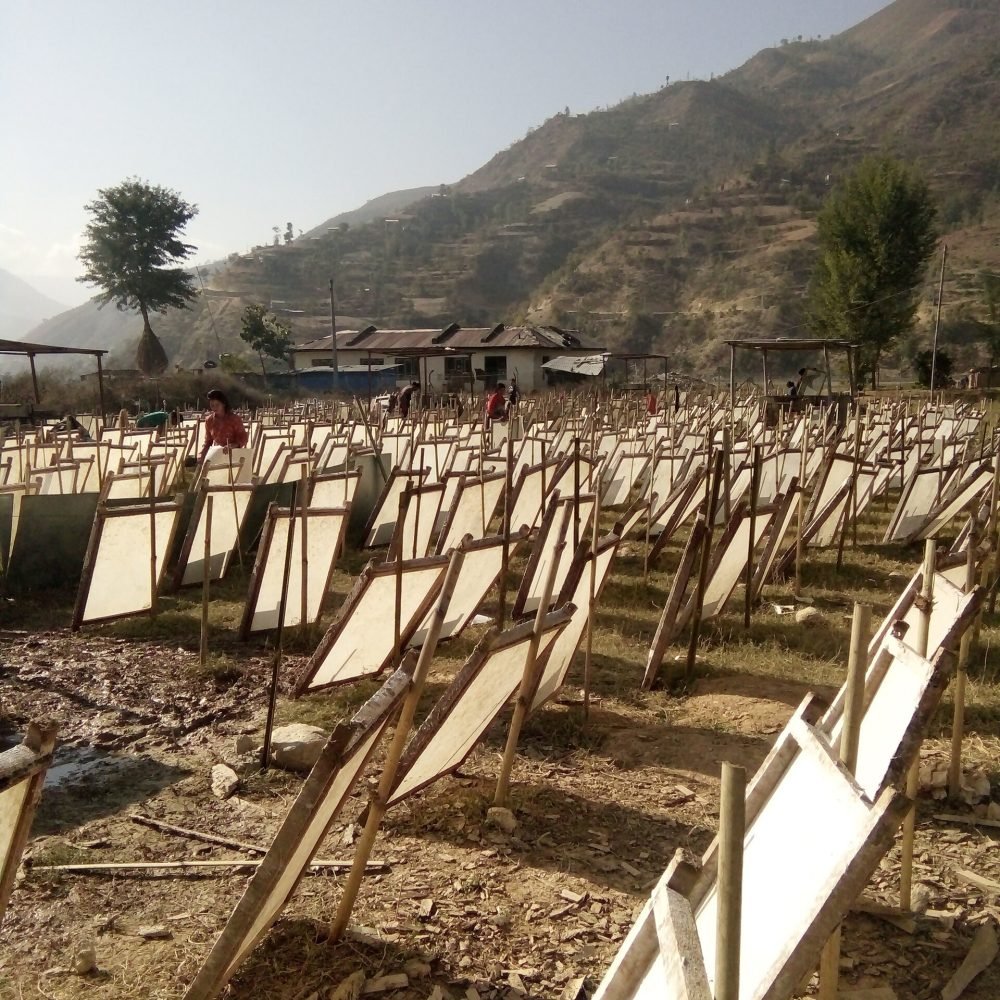
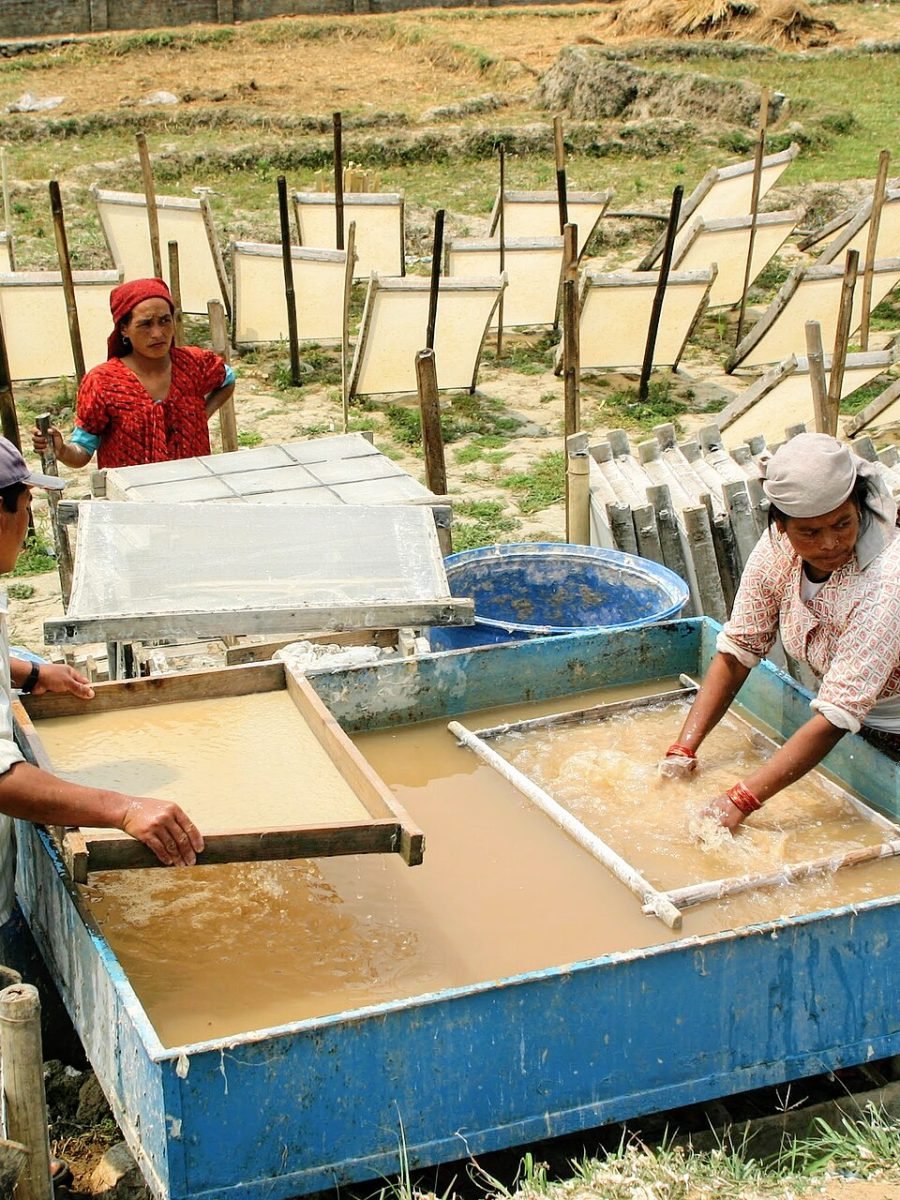 Lokta Paper
4 pieces · Bark paper from Baglung
Lokta Paper
4 pieces · Bark paper from Baglung
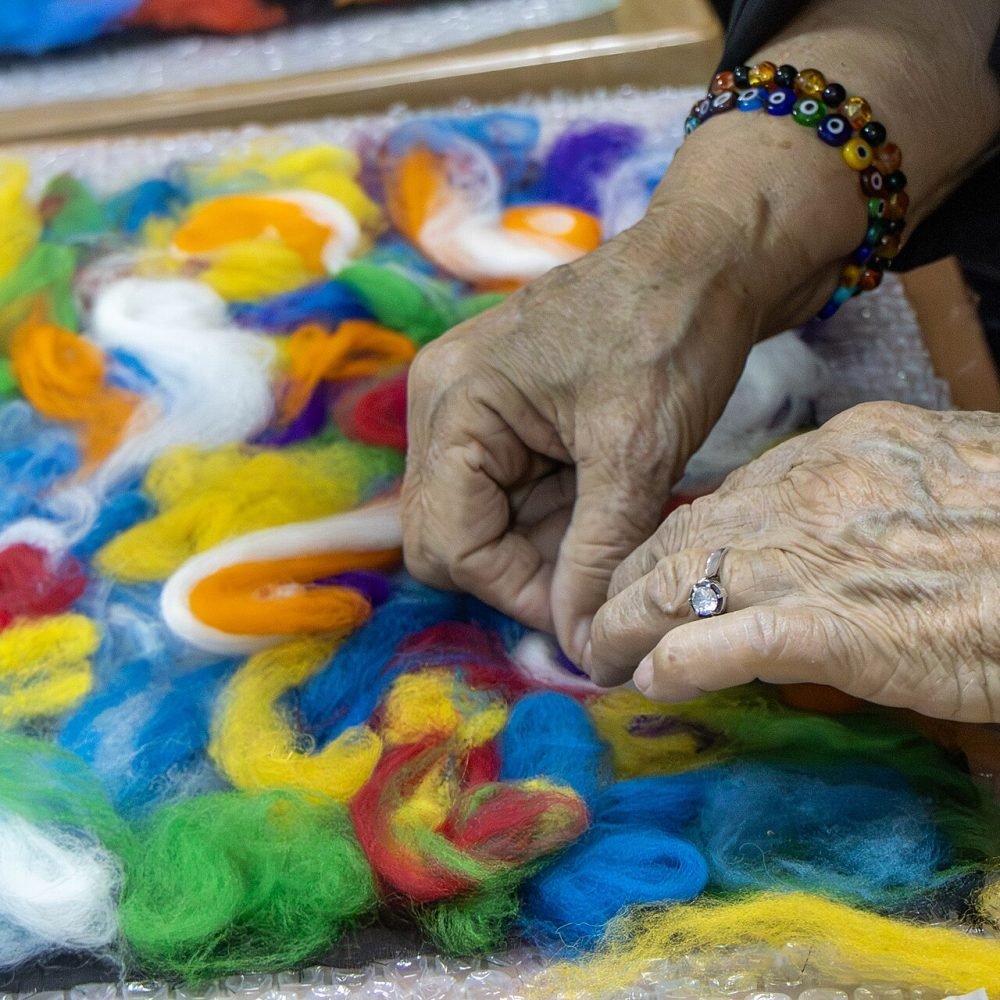
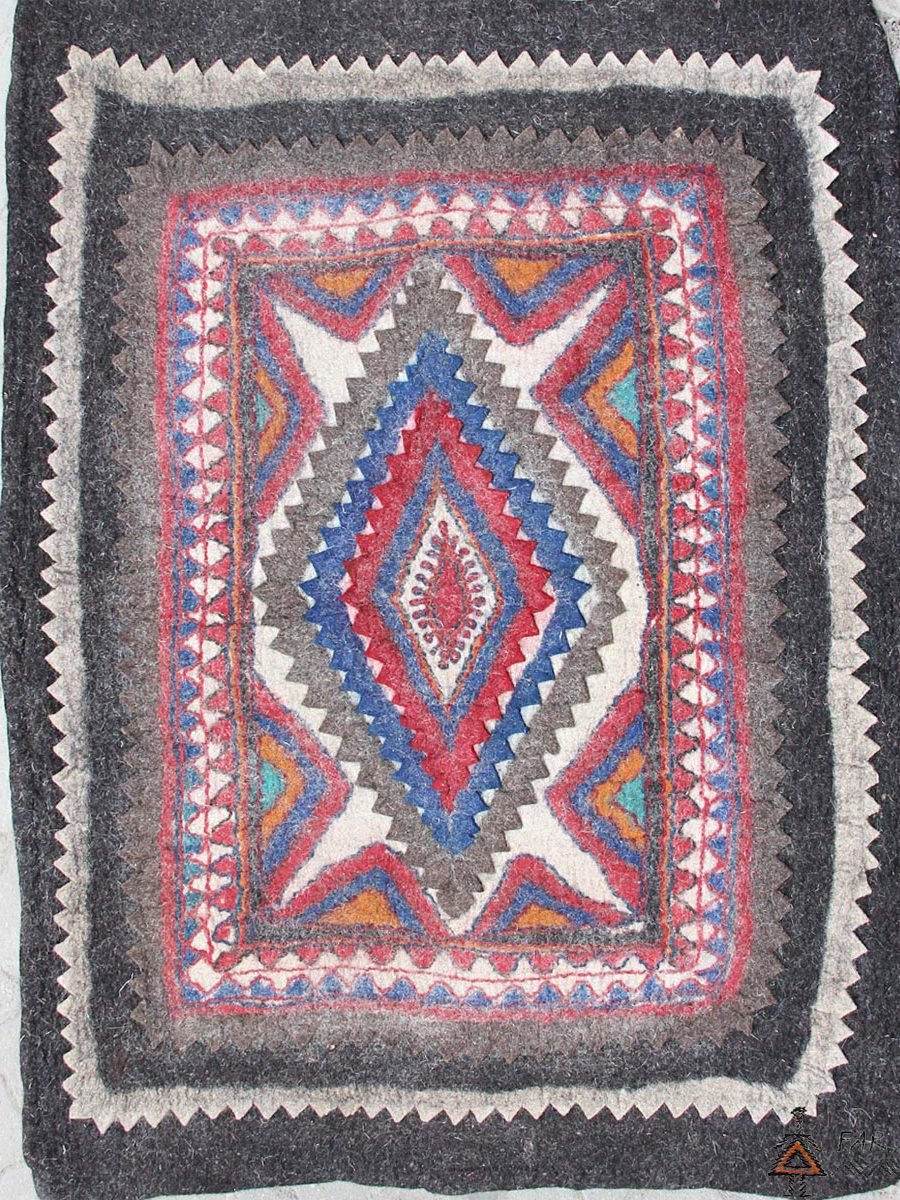 Felt & Wool
4 pieces · Hand-felted in Kathmandu
Felt & Wool
4 pieces · Hand-felted in Kathmandu
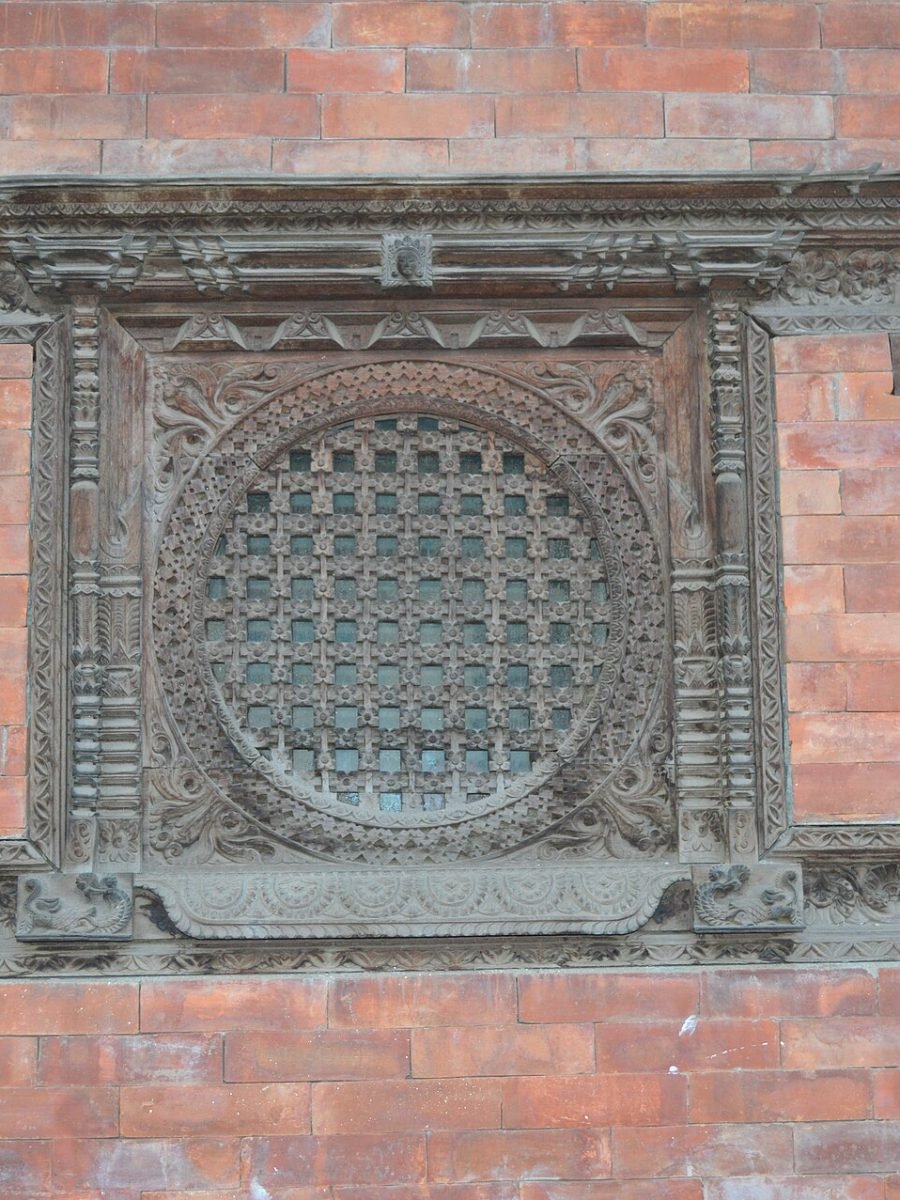 Wood Carving
3 pieces · Newari carving, Bhaktapur
Wood Carving
3 pieces · Newari carving, Bhaktapur
The journal
All articles →
How these things are actually made
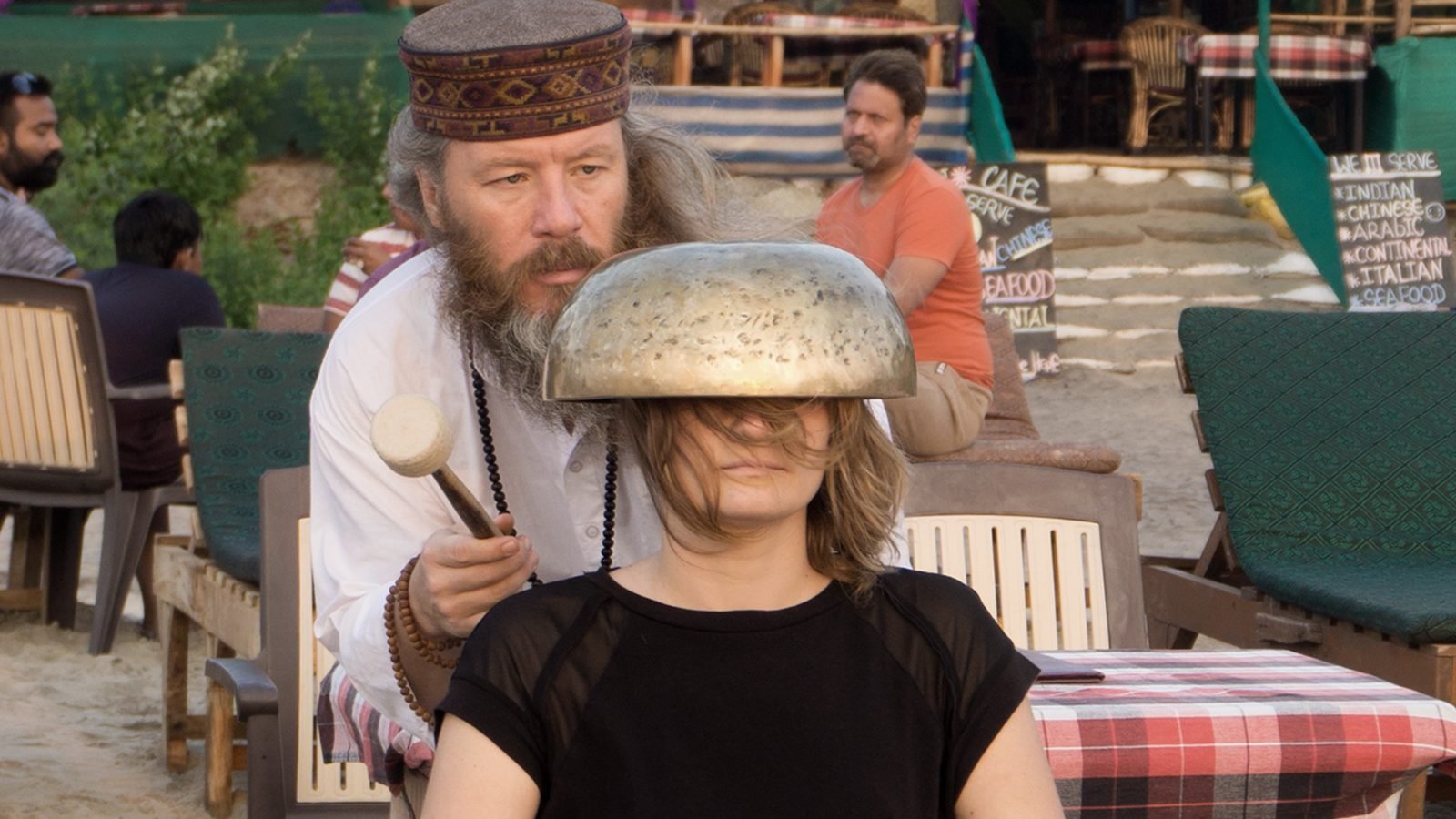
Singing bowls
How a Singing Bowl Is Actually Made
Four smiths, one disc of bronze, and a note nobody can predict until the last hammer blow. What separates a hand-beaten bowl from a spun one, and how to hear the difference.
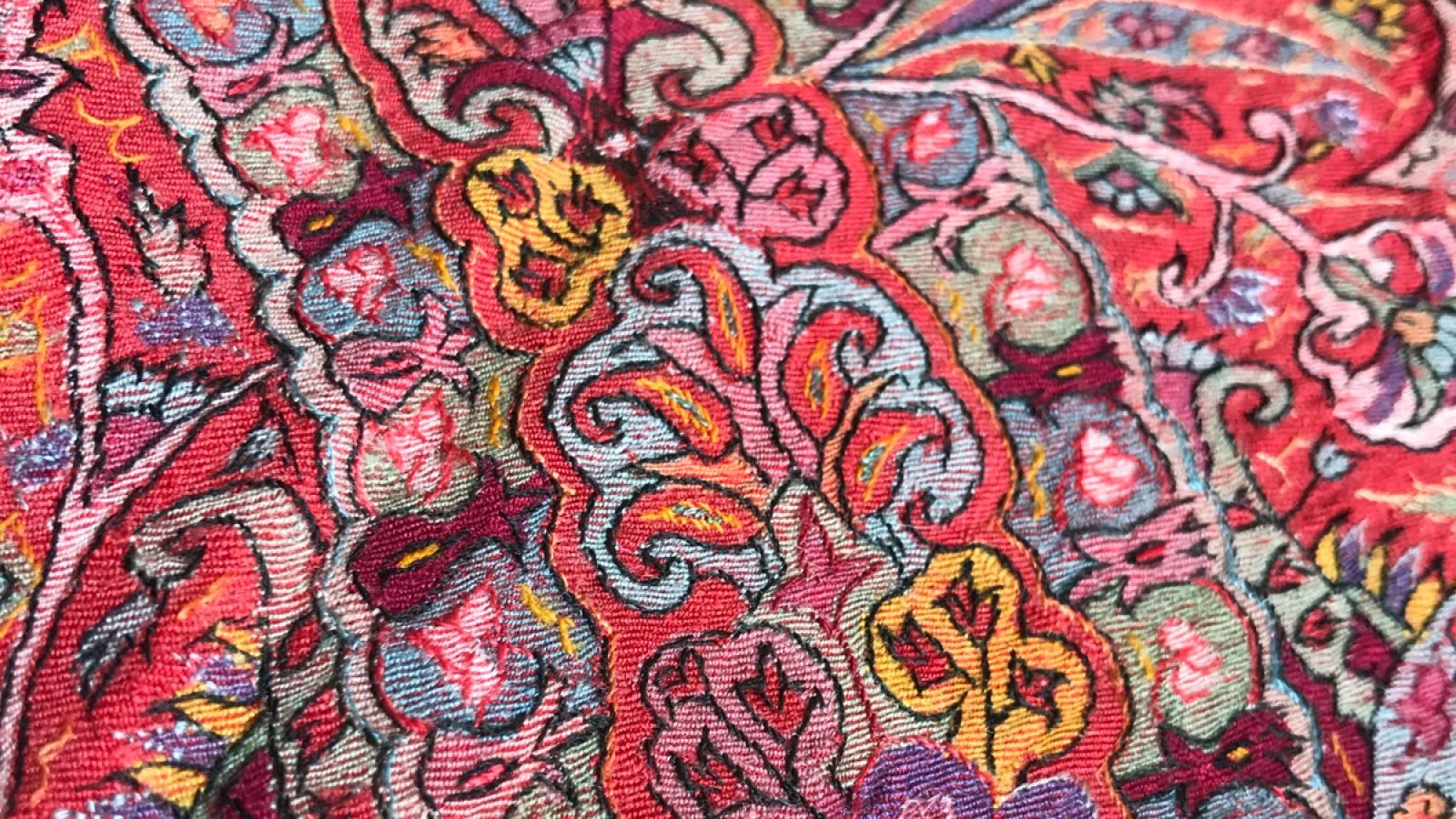
Pashmina
Real Pashmina and What Gets Sold as Pashmina
The fibre is 14 microns and comes off a goat at 4,500 metres. Most of what is sold under the name is viscose. Six checks you can do with your hands before you pay.
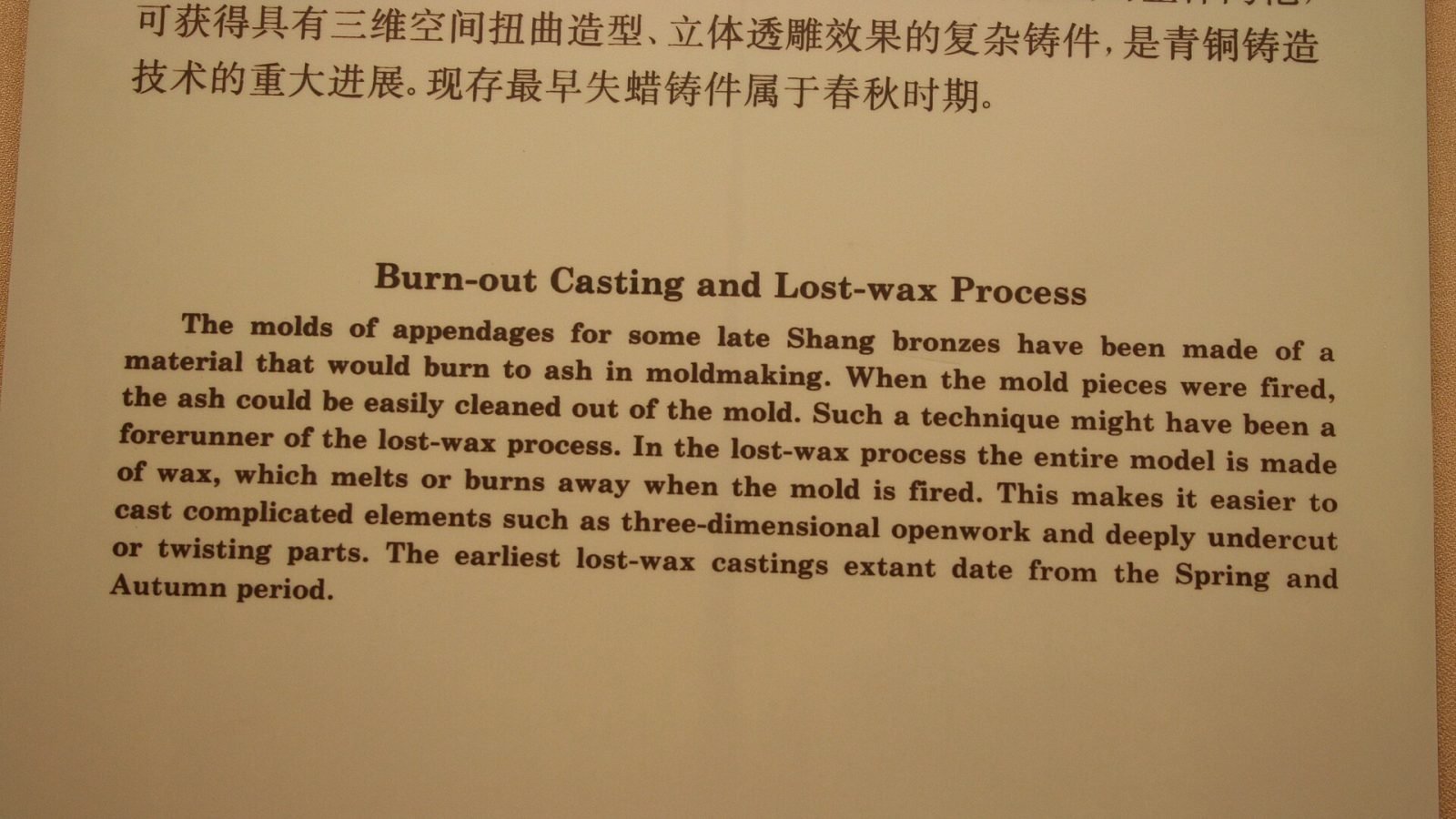
Metalwork
Lost-Wax Casting in Patan, Step by Step
The mould is destroyed to release the casting, which is why no two bronzes are ever identical. Ten steps from beeswax to a finished figure, and where the real work happens.
One letter a month
New pieces, and the people who made them
When a batch comes in from the workshops we write about it — what it is, who made it, and how the technique works. No discount spam, no daily mail.